Choosing classes & campsAges 6–149 min read
By Olivia ·
How to Choose the Right Class for Your Child
Use a practical five-question guide to choose a class that fits your child’s interests, confidence, learning style, and schedule.

Choosing a class for your child can feel surprisingly high-stakes. There are broad subject labels, different levels, live formats, appealing projects, and a calendar that may already be full. It is easy to wonder whether you should choose the most practical option, the one that sounds most impressive, or the one your child is most excited about this week.
A better question is simpler: What kind of experience is likely to fit this child right now?
The right class is rarely chosen by title alone. “Art,” “coding,” “math,” or “writing” can describe very different experiences. One class may be structured around a specific project; another may be discussion-based, collaborative, playful, skill-focused, or open-ended. Looking beneath the label helps you choose something your child can picture themselves doing.
You are not trying to identify one universally best class or map out a permanent path. You are making a thoughtful next choice—one that gives your child a chance to participate, explore, practice, create, or get support in a way that feels manageable and worthwhile.
Start with what draws your child in, then look beyond the subject label to the actual experience: what they will make, discuss, practice, solve, or explore. A strong fit balances their reason for joining, current confidence, preferred learning format, and your family’s schedule. Let your child help choose among realistic options, and treat the first class as useful information—not a permanent decision. A class can support school, spark a hobby, build a practical skill, or simply make room for the enjoyment of learning something new.
Start with the spark, not the subject label
Children often reveal their interests in small, ordinary ways. Pay attention to what they return to without much prompting: a game they like to explain, a type of book they seek out, a question they keep asking, a character they draw, a puzzle they refuse to put down, or a real-world problem they want to solve.
That spark does not need to become an achievement project. A child’s interest in fantasy stories does not have to lead to a future writing career for a creative writing class to be a good idea. A child who enjoys building elaborate worlds in a game does not need to be “serious about tech” to enjoy a game-design or digital-building class. Interest is a useful doorway because it gives a new experience some immediate meaning.
Questions that uncover useful clues
Try asking open, specific questions rather than “What class do you want to take?”
- What is something you have been curious about lately?
- Would you rather make something, solve something, learn a technique, or talk about an idea?
- If you could get better at one thing just for fun, what would it be?
- What would you want to show someone after class?
- Is there something that seems interesting but feels a little intimidating?
These questions can uncover a more useful clue than a broad category. An 8-year-old who loves inventing characters may be drawn to comics, illustration, or creative writing. A 10-year-old who designs game worlds may respond to a class with a clear building or game-design connection more than a general technology class. The topic matters, but the activity inside the topic matters too.
Look past the class title: what will your child actually do?
Before you decide, translate the class description into a lived experience. Imagine your child during the session. Are they likely to be building, discussing, drawing, practicing, testing ideas, performing, solving, or collaborating? A title can be broad; the actual work of the class is where fit becomes clearer.
For instance, two art classes may both sound appealing but offer very different entry points. One may invite broad experimentation with materials and ideas. Another may guide learners through a concrete project such as character drawing, animation, or design. Neither approach is better for every child. A child who says they are “not good at art” may feel more comfortable with a defined project and a visible finish line, while another child may enjoy the freedom of open-ended exploration.
What to look for in a class description
- What kinds of tasks will learners do during class?
- Is there a project, skill, topic, or question at the center of the experience?
- Will the child be making and sharing, practicing independently, or participating in discussion?
- Does the class seem structured, flexible, collaborative, or self-directed?
- What might the child understand, create, or try by the end?
This is especially helpful when a child has a strong reaction to a label. “I don’t like art” may mean “I don’t like not knowing what to draw.” “I’m bad at math” may mean “I need help with one topic, or I want a different way to practice.” Looking at the actual experience can make a familiar subject feel more approachable.
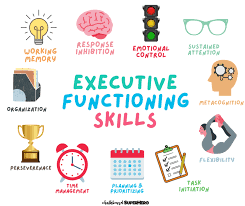
 A live class on thisStudy Skills Bootcamp: Organization, Notetaking & Time ManagementAges 11–16
Use a five-question class-fit checklist
A quick framework can prevent class selection from becoming an endless comparison of options. You do not need every answer to be perfect. You are looking for a strong enough match across the factors that matter most to your family.
- What is the child’s reason for joining?
They may want to explore a hobby, make something specific, get help with a school topic, meet other learners around a shared interest, or simply try something new. All are valid reasons. Naming the purpose helps you avoid expecting one class to serve every goal at once. - What does the child already enjoy—or want to understand?
Look for a genuine point of connection. It can be a current fascination, but it can also be a curiosity that has not yet turned into a hobby. - Does the challenge level feel inviting?
A little stretch can be energizing; a large leap can make it harder to begin. Consider what your child already knows, how much support they may want, and whether they are trying a subject for the first time. - Does the learning experience suit them?
Think about format, pace, interaction, and structure. Some children enjoy jumping into conversation; others prefer a clear project or time to think before sharing. There is no single learning format that works for all children. - Can this realistically fit into the week?
Schedule is not an afterthought. A class that sounds wonderful but consistently conflicts with dinner, sports, homework, family commitments, or a child’s need for downtime may be difficult to enjoy fully.
| What you notice | A class feature to look for |
|---|---|
| Your child loves inventing stories and characters. | A creative writing, comics, illustration, or storytelling class with opportunities to develop ideas. |
| Your child wants support in math but feels discouraged by the subject. | A class focused on a specific topic, practice approach, or confidence-building goal rather than grade level alone. |
| Your child is curious about a new subject but hesitant to call themselves “good” at it. | A beginner-friendly class with a clear starting point and a concrete activity or project. |
| Your child has a packed week. | A schedule and format they can join consistently without turning an interest into another source of pressure. |
Match challenge to confidence—not just age or grade
Age ranges and grade levels can be useful starting points, but they are not complete measures of readiness. Children of the same age can have very different experiences with a subject, levels of comfort speaking in a group, and reasons for joining a class.
Consider confidence alongside skill. A child who is brand new to coding may be ready for an introductory project even if they are generally comfortable with technology. A child who has practiced drawing for years may enjoy a more focused technique class. A 14-year-old seeking math help may benefit more from a class centered on a particular topic or study approach than from one chosen only because it matches a grade label.
A beginner or introductory experience that lets a child test a new interest without needing prior knowledge.
A more focused experience for a child who has enough familiarity to want a new challenge.
Neither is automatically more valuable. The right amount of challenge depends on the child’s current confidence, energy, and reason for showing up.
Give your child a real voice in the decision
Parents bring important perspective: budget, timing, safety, family logistics, and an understanding of what has helped or frustrated a child in the past. Children bring essential information too—their curiosity, comfort level, and sense of what feels exciting or intimidating.
Involving your child does not mean handing over every decision. It means making the choice collaborative in an age-appropriate way. You might narrow the options to two or three that work for the family, then ask your child which description sounds most interesting and why.
“Which one can you picture yourself doing?” is often more helpful than “Which one is best?”
If your child is shy about joining, avoid assuming that a quieter child needs only solitary activities—or that a social child will enjoy every group setting. Instead, talk concretely about what the experience may involve. Will they have a chance to work on a project? Will they be expected to speak often? Do they like a clear plan, or would they rather experiment? Understanding the format can make a new class feel less mysterious.
Let the first choice teach you something
A class does not have to become a long-term passion to be worthwhile. A child may discover that they love drawing characters but prefer working from prompts. They may enjoy coding when it is connected to games but not when it feels abstract. They may find that a class they chose for school support also helps them identify a study routine they want to keep using.
Questions to ask after a class begins
- What was the most interesting part?
- What felt easy, tricky, or surprising?
- Did you like making things, talking with others, or figuring things out?
- Is there something you want to try next?
The answers can guide the next choice. Class discovery is not a test of whether you picked perfectly the first time. It is a process of noticing what helps your child engage with learning.
What parents can do next
When there are too many possibilities, use this order to narrow them down:
- Choose one or two interests, goals, or curiosities to explore.
- Read beyond the title to understand the activity and structure of each class.
- Rule out options that do not work for your family’s schedule.
- Compare the remaining choices for challenge level and learning format.
- Invite your child to weigh in on the options that remain.
- Choose a next step, not a permanent identity.
The result may be a class that supports school, fuels a creative interest, develops a practical skill, creates room for a hobby, or simply makes space for the enjoyment of learning something new. That is enough. A well-matched class does not need to do everything.
Browse classes by what your child wants to try
Explore possibilities by the interests, skills, and subjects your child would like to try next.