
Intro & Blink Sketch

Learn Arduino basics, sketch parts, and modify the Blink example to control the built-in LED.
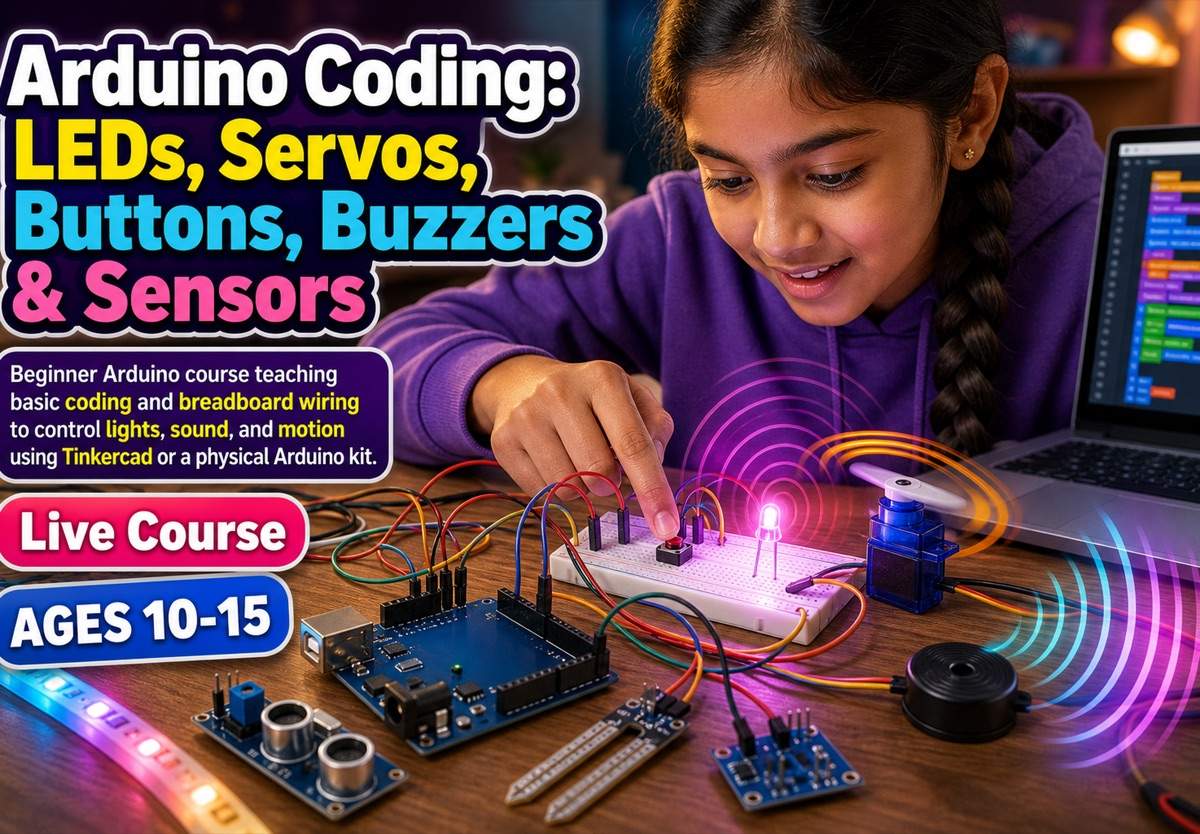
Beginner Arduino course teaching basic coding and breadboard wiring to control lights, sound, and motion using Tinkercad or a physical Arduino kit.
This hands-on class introduces Arduino programming and circuit wiring through guided projects and mini-challenges. Students learn basic sketch structure, breadboard circuits, serial monitor debugging, and how to control LEDs, buzzers, servos, potentiometers and ultrasonic sensors, using step-by-step demonstrations in Tinkercad or with a physical Arduino setup.

Identify basic Arduino components and sketch structure
Wire breadboard circuits and control LEDs, buzzers, and servos
Use the Serial Monitor for debugging and user input
Read analog inputs (potentiometer) and measure distance with an ultrasonic sensor
Materials needed:
Students who wish to use a real Arduino will need to have the following materials: Arduino Uno, USB cable, solderless breadboard, 20 male jumper wires of different colors, 3 220-ohm resistors, 2 1000-ohm resistors, LEDs, RGB LED, potentiometer, active and passive speakers, servo, a pushbutton, and an ultrasonic sensor. They will also need to download and install the Arduino IDE. Use the newest version: 2.3.10 or newer at: https://www.arduino.cc/en/software/
Students who wish to use the virtual internet-based Arduino simulator, called TinkerCad, need to create their own account at www.tinkercad.com and have a computer with internet capability. Some devices we will learn about are not found in the TinkerCad simulation.
Recommended kit - has the most items that can be also be used for Arduino Classes Parts 2 and 3 as well. https://a.co/d/dHMMqVs
Solderless breadboard,20 male jumper wires,220-ohm resistors,1000-ohm resistors
A step-by-step plan of what your child learns, class by class. · 5 Weeks
Learn Arduino basics, sketch parts, and modify the Blink example to control the built-in LED.
Understand breadboard layout and build basic series and parallel circuits, including a traffic light project.
Program LED patterns and use for-loops to repeat code sequences.
Wire and program buzzers to play tones and simple melodies using arrays.
Control servo motors to create movement and integrate with sensor inputs.
Measure distance with an ultrasonic sensor to change LED colors, servo angles, and sound output.
Next 7 days, US Eastern Time
New class, no reviews yet
Be one of the first families to join. Parents can leave a review after their first class.
Not satisfied after the first class? Full refund.
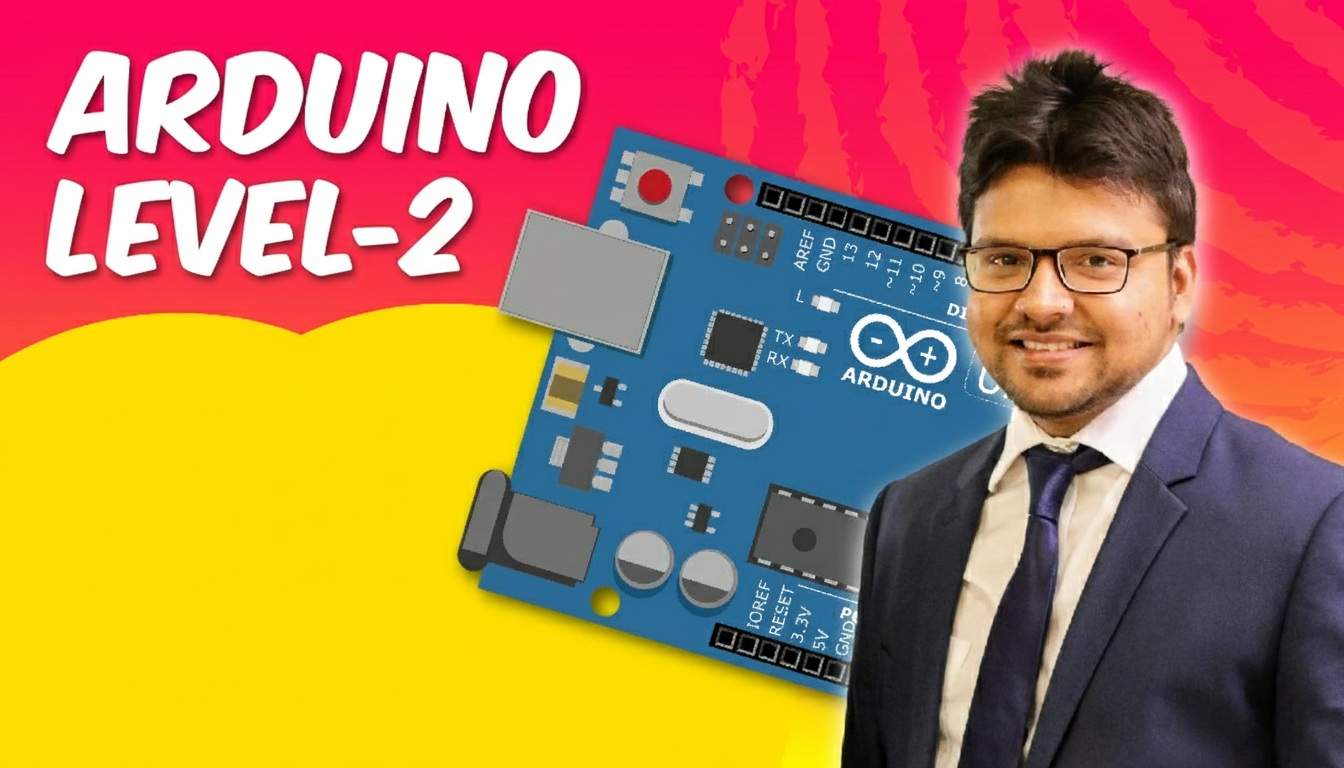
Vinita T.
Beginner
Level
13–16
Ages
35 min
Duration
1 / Week
Classes
16
Weeks
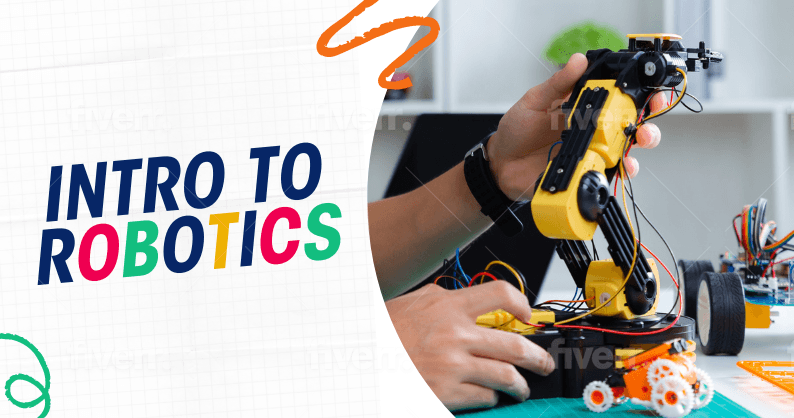
Bhagwanti S.
Mixed Level
Level
13–17
Ages
50 min
Duration
3 / Week
Classes
5
Weeks

Alisha V.
Beginner
Level
12–17
Ages
60 min
Duration
5 / Week
Classes
2
Weeks

Vaibhav N.
Beginner
Level
12–18
Ages
55 min
Duration
1 / Week
Classes
7
Weeks
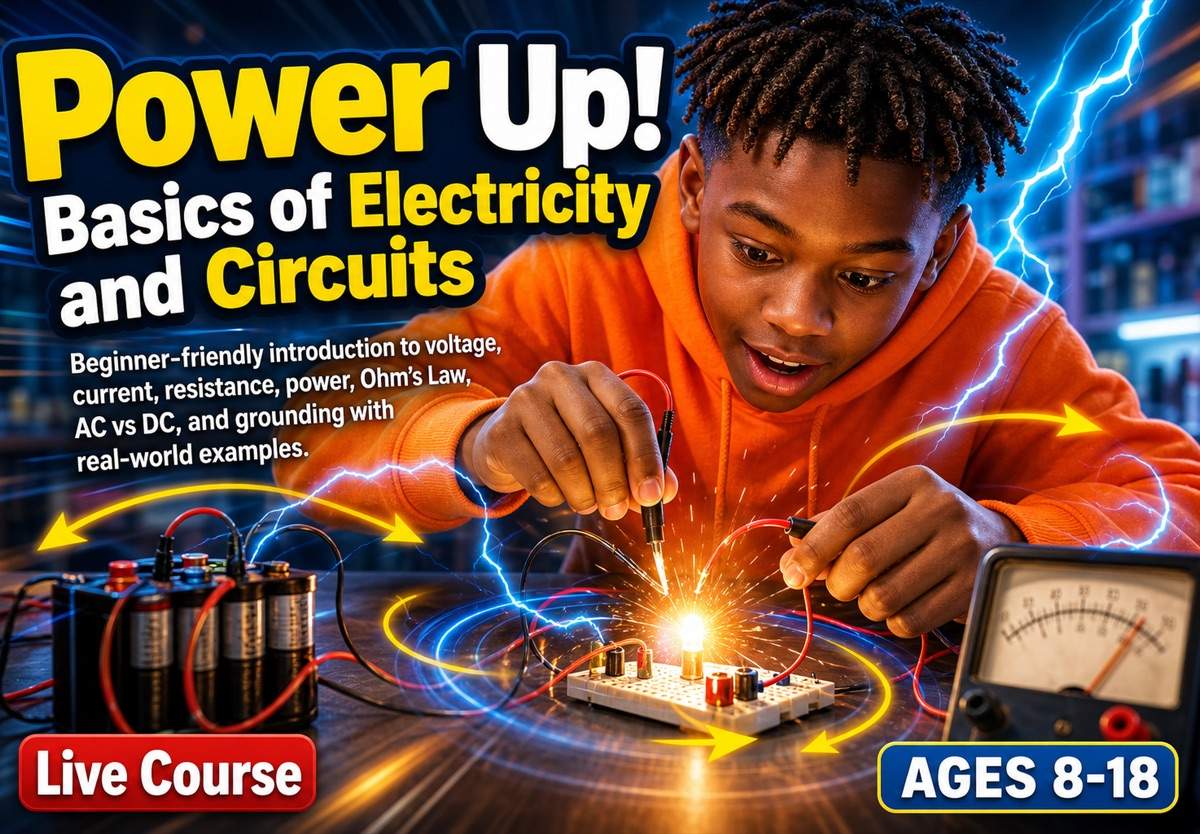
Varun S.
Beginner
Level
8–18
Ages
55 min
Duration
1 / Week
Classes
1
Weeks
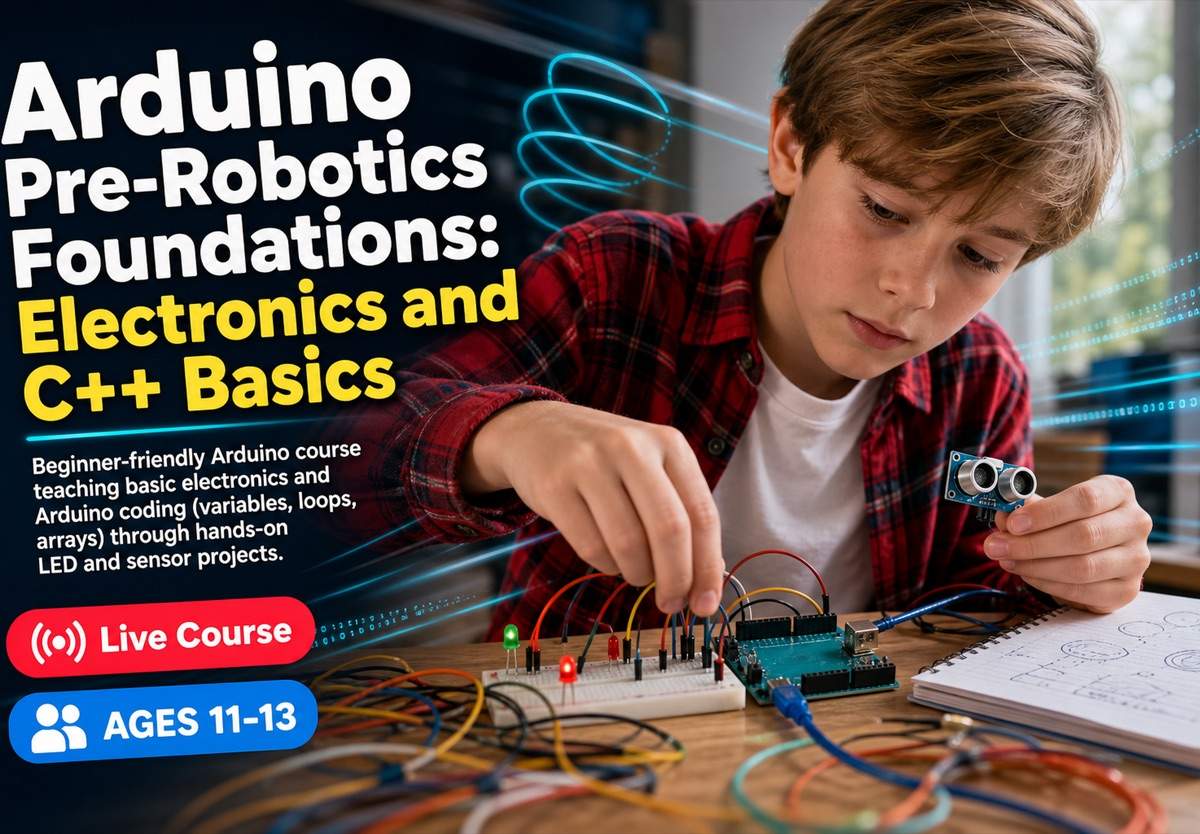
Rakesh V.
Beginner
Level
11–13
Ages
35 min
Duration
1 / Week
Classes
16
Weeks
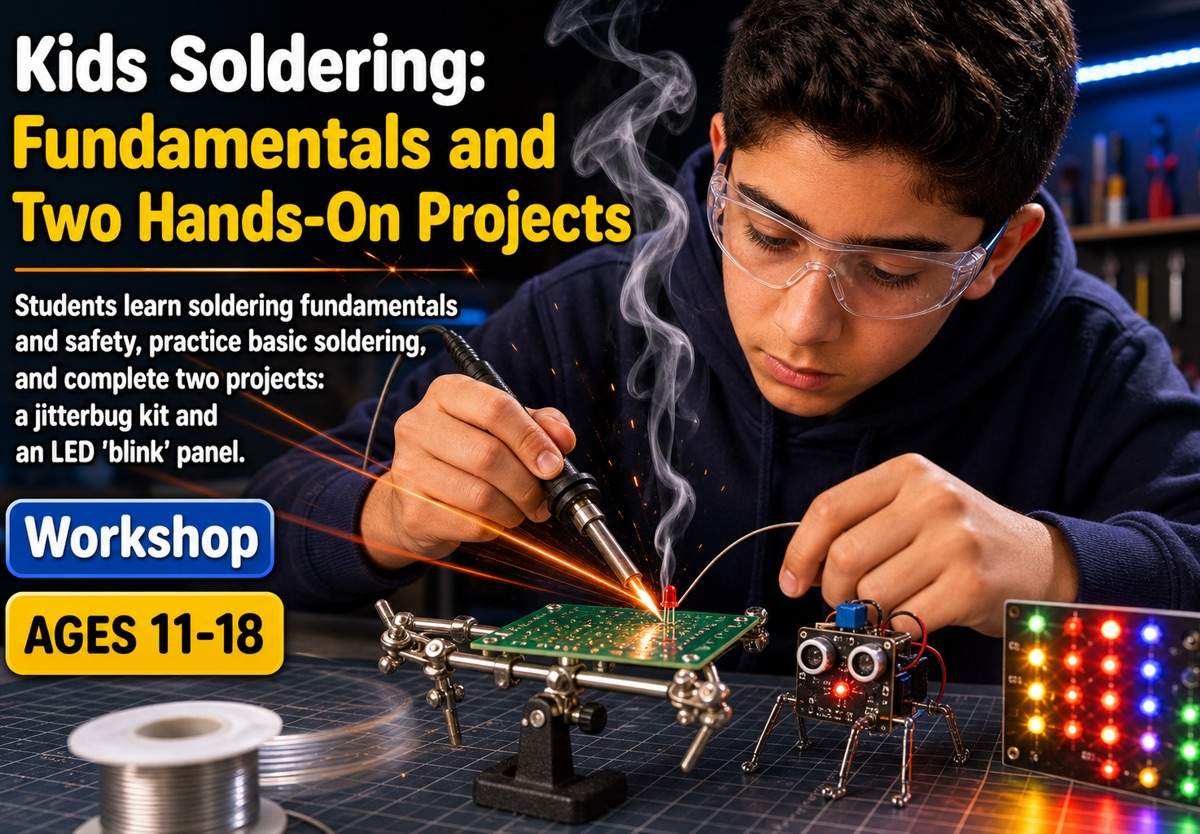
Ms. K.
Beginner
Level
11–18
Ages
55 min
Duration
1 / Week
Classes
3
Weeks
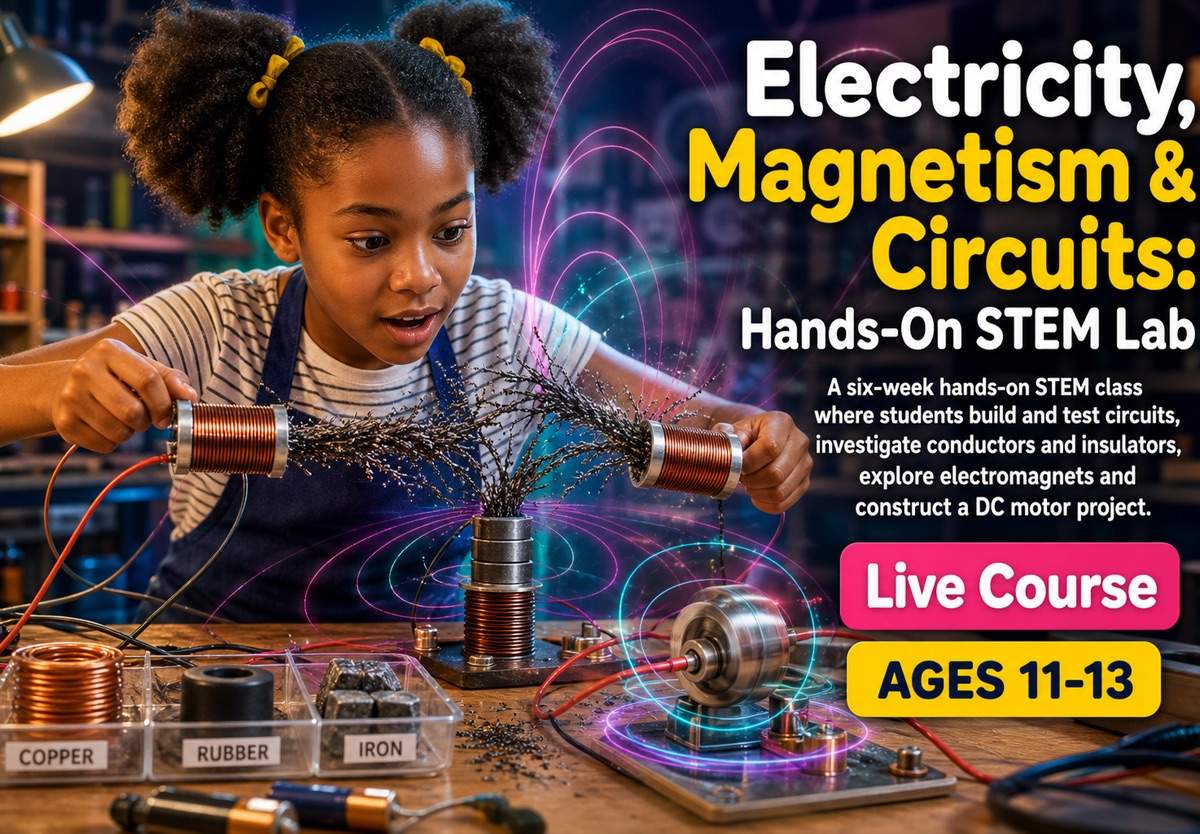
Shivam P.
Beginner
Level
11–13
Ages
45 min
Duration
1 / Week
Classes
6
Weeks